
Hyaluronic Acid Prefilled Syringe Packaging: A B2B Review Framework
Review HA prefilled syringe packaging by barrel, graduation, two-needle pack, tray, foil pouch and carton. Compare public configurations with project-specific component records.
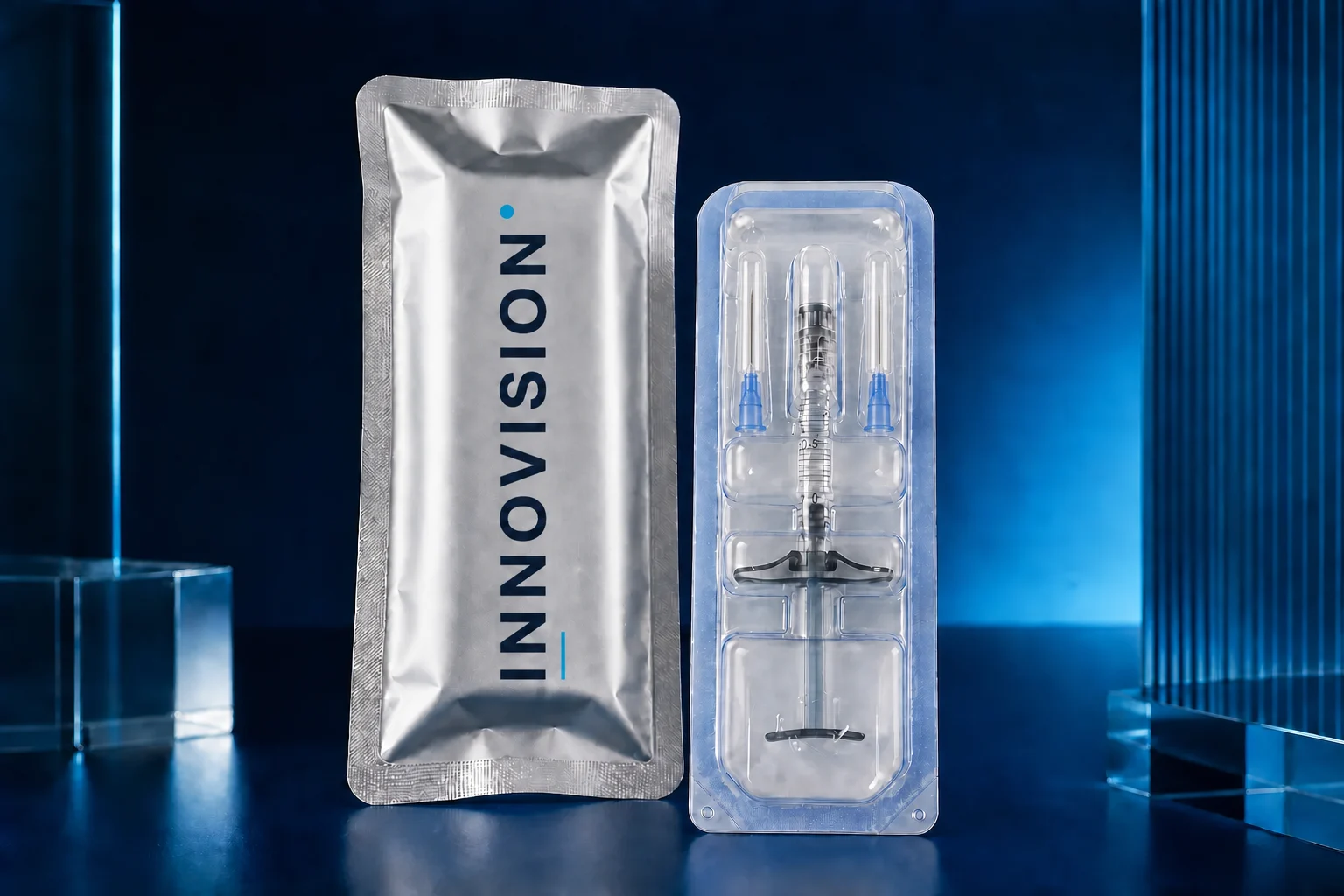
For B2B buyers, a hyaluronic acid prefilled syringe is not one universal presentation. The same broad format can involve different barrel volumes, needle components, protective packaging, label languages and documentation questions. A clear review framework helps procurement teams and brand owners compare the right elements before they move to final artwork, specifications or controlled records.
This article uses “prefilled syringe” for a filled presentation. Some searches use “prefillable syringe”; that wording should not be assumed to describe the same finished-project configuration.
Start with the physical presentation
The first review should identify the exact unit that the project needs to discuss. Useful questions include the requested volume, barrel type, graduation range, connection format, needle or accessory components, tray, pouch and secondary carton direction. These details affect the commercial presentation and should not be inferred from another volume in the same portfolio.
For example, the public Hyaluronic Acid Gel format overview separates compact prefilled-syringe formats from larger plastic-syringe and vial routes. Its 1 mL and 2 mL pages describe two needle components in their representative pack configuration, while the 3 mL and 5 mL formats are shown as syringe-only presentations. The comparison is valuable precisely because it avoids treating all syringe formats as interchangeable.
A component-by-component review sheet
| Component | What the public catalogue establishes | What to confirm before approving the pack |
|---|---|---|
| Filled unit | 1 mL and 2 mL are prefilled-syringe formats at 24 mg/mL | Selected volume and concentration on the specification and artwork |
| Barrel and plunger | The 20 mL syringe option, and the syringe options at 50 and 100 mL, are plastic | Material and supplier reference for the selected size; component compatibility records where relevant |
| Graduation | Graduated presentations are shown | Unit, scale direction, legibility and the approved drawing; do not measure delivery accuracy from a web image |
| Needle components | The 1 mL and 2 mL pack descriptions include two needles, not ampoules | Gauge, length, connection, protective caps and exact quantity; a photo alone does not confirm these details |
| Tray and foil pouch | Representative small-format visuals show a tray and branded pouch | Material, sealing arrangement, label location and the applicable packaging records; foil appearance does not prove a sterile barrier |
| Carton | Secondary packaging is discussed per project | Units per carton, artwork version, language allocation and placement of product/batch identification |
The 3 mL and 5 mL formats are syringe presentations, not vial options. Do not add a vial to their bill of materials simply because another volume offers one.
Separate three kinds of visual evidence
- A reference photograph records the appearance of the photographed sample. It does not by itself establish that the quotation covers that exact component revision.
- A packaging concept or rendered visual communicates layout and branding. The foil-pouch logo, apparent fill level, graduations and proportions still need comparison with the approved physical sample and drawing.
- Approved artwork and component records identify the configuration being agreed. Keep the product reference, revision, approval date and responsible reviewer with that record.
Images on this site are representative portfolio visuals. A branded rendering is an illustration, not an unedited manufacturing photograph or an inspection record.
An actionable review comment is: “The brief requires a 2 mL syringe and two needle components; please confirm the needle specification and match the carton item count.” “Please make it look like the photo” leaves those decisions unresolved.
Keep product scope and packaging scope separate
A syringe visual can establish a packaging direction, but it does not by itself confirm a final formulation, intended use, label claim, release criterion or market status. In a qualified project, packaging and product scope must be reviewed together without confusing one for proof of the other.
Buyers evaluating a HA Filler portfolio may have different questions from buyers evaluating a general Gel format, even where both start with a syringe presentation. The selected product category, market, responsible entity and commercial route determine the next review. Innovision Bio coordinates the B2B commercial and project discussion; GuangLong is the manufacturing and R&D entity for the relevant product lines where applicable.
Build the brief around decisions that can be confirmed
Before requesting broad technical files, record the project decisions that the next review must support:
- requested product category and unit volume;
- intended target market and buyer role;
- preferred syringe, accessory, tray, pouch and carton configuration;
- labelling languages, brand responsibility and artwork stage;
- whether the next question concerns public information, project-level parameters or controlled documentation.
This makes the documentation path more efficient. A document is meaningful only when its product, presentation, holder, version and intended review purpose are known. It should not be generalised from one syringe format to another or used to imply a market approval.
Use the portfolio as the beginning of the review
Representative portfolio pages are designed to help a buyer identify a viable presentation route. The next step is a concise, qualified discussion that tests that route against the actual project scope. For packaging and document sequencing, see Aesthetic Product Packaging and Documentation: Building a Clear B2B Project Path. For OEM or ODM preparation, review the B2B project brief guide.
When ready, send the requested format, target market and open packaging questions through the B2B project contact route.
This article is for professional B2B planning only. It is not medical or regulatory advice, a product registration, a market authorisation or a public offer. Product-specific packaging, documentation and target-market requirements must be confirmed for each project.